
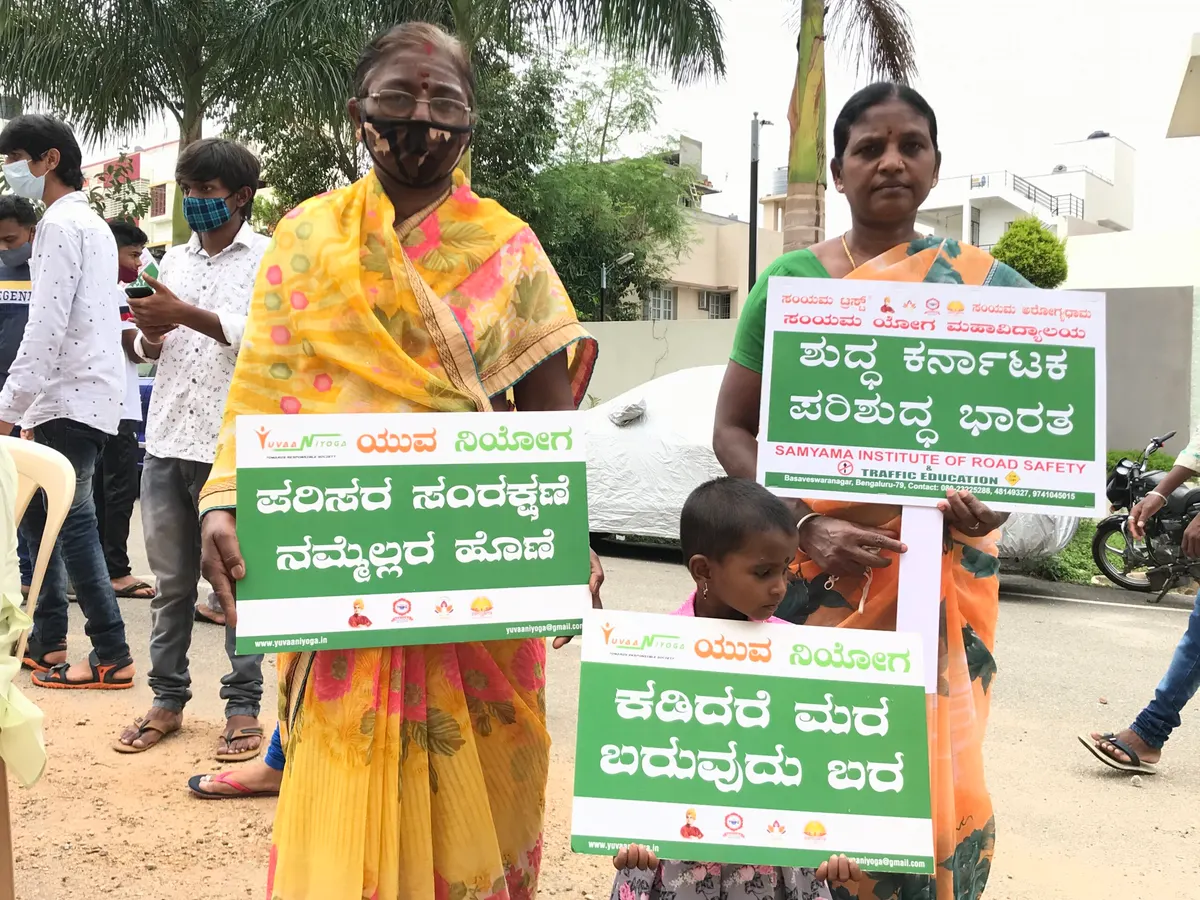
Bengaluru was built around its lakes, or kere, which were once a chain of tanks that caught rain and fed fields. Over the decades many were encroached, filled with sewage or lost altogether. In the last fifteen years, though, groups of ordinary residents have helped bring several lakes back. Their stories hold practical lessons for any young person who wants to look after a shared place, and some honest warnings too.
This article looks at a few well-documented citizen efforts, what they achieved, where they struggled, and what you can learn from them if you want to get involved with a lake, park or water body near you.
How citizens got a seat at the table
Citizen lake groups did not appear out of nowhere. After a public interest case brought by Environment Support Group, the Karnataka High Court treated the city's lakes as public commons and appointed Justice N K Patil to work out a way forward. His committee recommended that people living around lakes be made stakeholders in their care (Citizen Matters).
From 2011, the Bruhat Bengaluru Mahanagara Palike (BBMP), then the city's civic body, began signing memorandums of understanding (MoUs) with resident groups to help maintain lakes it had restored (Citizen Matters). The civic body generally did the engineering work, such as desilting, fencing and diverting sewage. The groups handled day-to-day care: watching for dumping and encroachment, managing gardeners and security, planting trees and bringing neighbours in.
Puttenahalli: from dump yard to a neighbourhood lake
Puttenahalli Puttakere in J P Nagar is one of the best-known examples. A group of residents who first came together in 2008 later became the Puttenahalli Neighbourhood Lake Improvement Trust (PNLIT) (Citizen Matters). The trust signed an MoU with the BBMP on 17 May 2011 (PNLIT). Over the years it planted nearly 500 trees around the lake, which is home to more than 120 bird species, according to a 2023 report (Mongabay India).
The story did not end neatly. In March 2020 the BBMP stopped renewing MoUs with citizen groups, citing a High Court order in a separate case. In 2025, after a notice from the BBMP's Lakes Division, PNLIT announced it had withdrawn from maintaining the lake from 3 July 2025 (PNLIT). Writing that month, Citizen Matters argued that the city should build community participation into its systems rather than leave it to goodwill (Citizen Matters).

Mahadevapura: one trust, several lakes
In east Bengaluru, residents formed MAPSAS (Mahadevapura Parisara Samrakshane Mattu Abhivrudhi Samiti), a trust that has looked after Lower Ambalipura, Kaikondrahalli, Kasavanahalli and Sowl kere. It raises money for maintenance through donations from citizens and companies. At Lower Ambalipura, a small lake restored by the BBMP in 2008 and 2009, a wetland was built to help keep nutrients in check and improve water quality (Citizen Matters).
The lesson here is that a well-organised group can share skills, volunteers and funds across neighbouring lakes, instead of every lake starting from scratch.
Jakkur: treated water and a constructed wetland
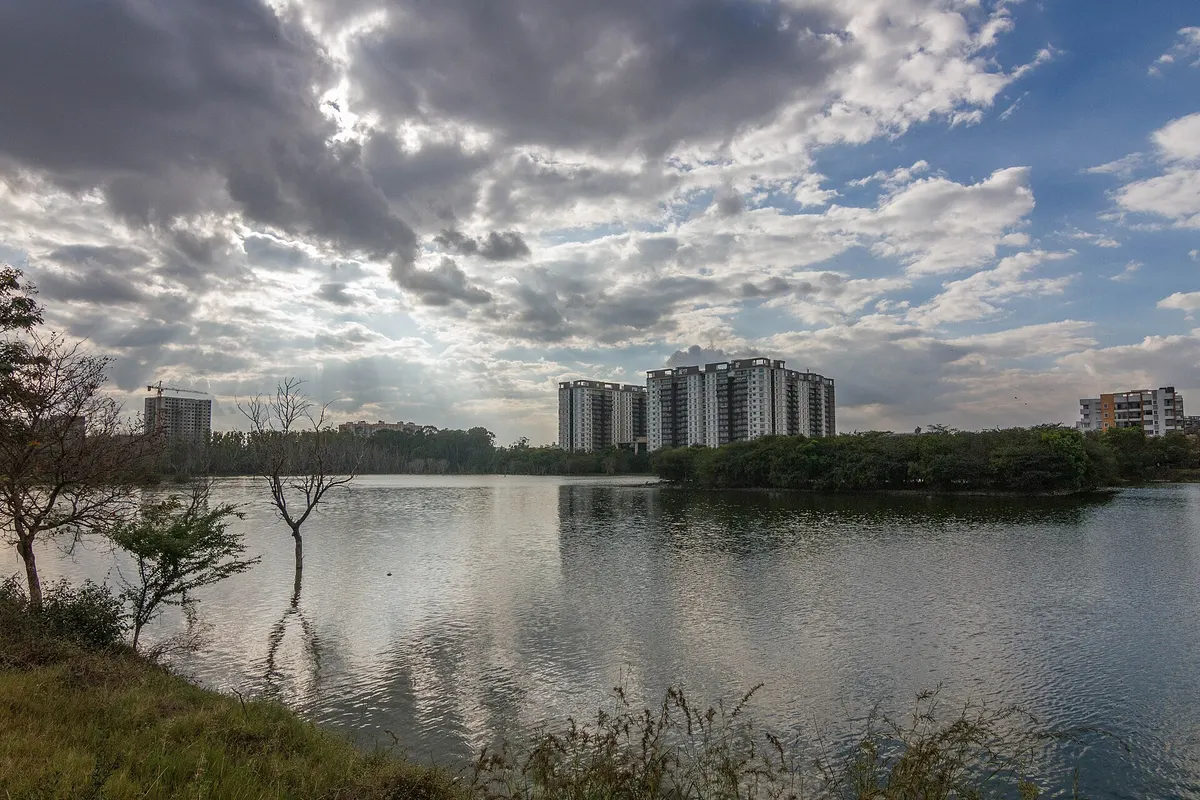
Jakkur lake in north Bengaluru shows how engineering and community care can work together. A sewage treatment plant built by the Bangalore Water Supply and Sewerage Board treats sewage near the lake and sends treated water into it, so the lake does not dry out. Near the entry point, a planted wetland filters the water further as it flows in (Centre for Science and Environment). A citizens' group, Jala Poshan, signed an MoU with the BBMP to help care for the lake.
Jakkur also shows the limits. In 2023, a member of Jala Poshan told Mongabay India that volunteer work had not fully recovered after the Covid-19 lockdown sent many workers and volunteers home. The same report noted criticism that some citizen efforts focus on how a lake looks while water quality stays poor, and that the MoUs with the BBMP did not mention water quality at all (Mongabay India).
Five lessons from Bengaluru's lake movements
1. Start with knowledge, not a clean-up drive. A one-day clean-up feels good, but lakes recover when sewage stops flowing in and encroachment stops. Learn where the inlets and outlets are, who owns the land, and which department is responsible before you plan action.
2. Work with the system, and get it in writing. Every successful effort above depended on a working relationship with the civic body. The Puttenahalli story shows how fragile that is without a clear, lasting agreement. Formal recognition, proper records and regular meetings with officials matter as much as enthusiasm.
3. Measure what matters. A lake with paved walkways and fresh paint can still be polluted. Push for regular water-quality testing and share the results publicly. Healthy water, not just a pleasant walk, is the real goal.
4. Plan for people to come and go. Volunteer energy rises and falls. Groups that last have more than one leader, write down how things are done, and bring in schools, colleges and young people so the work carries on when founders step back.
5. Keep the lake open to everyone. Lakes are commons. Fishers, cattle owners, washer communities and walkers all have a stake. A lake group that represents only the apartment blocks next door risks turning a public space into a private garden.
What has changed recently
The way Bengaluru is governed has changed. In September 2025 the BBMP was replaced by the Greater Bengaluru Authority, with five city corporations under it (Deccan Herald). If you want to help look after a lake today, the first step is to find out which corporation and which office is now responsible for it. Arrangements for citizen participation were still being debated in court and in policy as of November 2026, so check the current position with your ward office before you start.
How students and young people can get involved
- Visit and observe. Walk around a lake near you once a month. Note inlets, foam, smells, dumping, birds and changes over time. Simple records like these are useful evidence.
- Join an existing group first. Many lakes already have residents who care. Offer your time and skills, such as photography, social media, data entry or translation into Kannada, before starting something new.
- Make it a project. Environmental science, civil engineering, geography and social work students can turn a lake into a field project on water quality, biodiversity, history or community use, shared with the people who look after it.
- Bring in others. Organise a walk for younger students, or a talk with an older resident who remembers what the lake used to be.
- Stay safe. Do not enter the water or handle waste without gloves and supervision, and never go alone to isolated areas.
A shared responsibility
Bengaluru's lake movements show that citizens can make a real difference, and also that they cannot do it alone. Lakes need government to fix sewage and protect boundaries, scientists to test and advise, and neighbours to watch over them every day. Young people can be part of all three.
If you would like to start with something hands-on, our Vana Siri project runs plantation drives, eco-friendly workshops and green awareness campaigns with schools, colleges and communities across Karnataka.
Comments